Reviewing The Funny Friend for Real Embroidery Projects
As a designer who has spent countless hours hooping fabric, testing tension, and troubleshooting thread breaks, I approach every new machine embroidery design with a mix of curiosity and caution. We have all been there: you download a file that looks perfect on the screen, only to find it turns into a puckered mess or an unreadable blob once it hits the fabric. That is why I took a close look at The Funny Friend, evaluating it not just as a digital asset, but as a practical component for real-world embroidery projects.
This review comes from the perspective of someone who needs designs to perform reliably for clients, whether for a custom sweatshirt embroidery order, a batch of tote bag design products for a craft fair, or personalized gifts for friends. Let’s break down how this graphic holds up under the needle.
First Impressions and Visual Personality
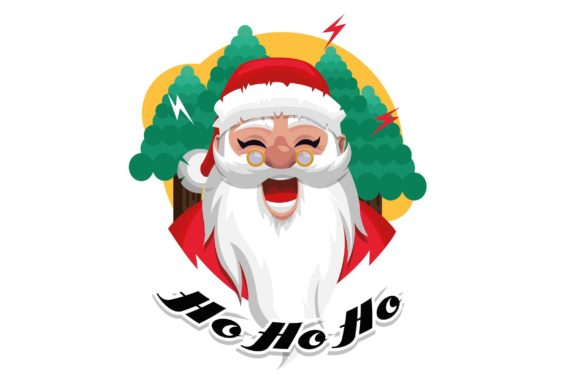
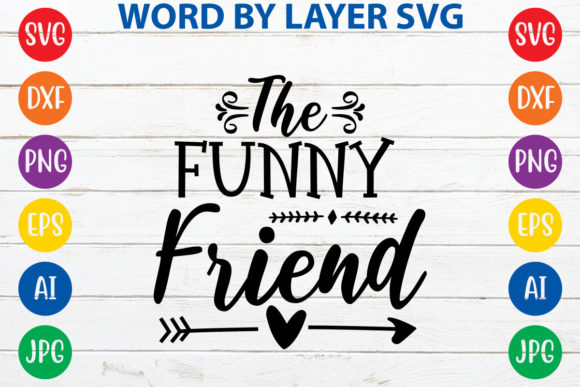
When I first opened the files for The Funny Friend, the immediate takeaway was its playful character. In the world of Crafts and handmade goods, personality sells. This design does not try to be overly intricate or photorealistic. Instead, it leans into a bold, graphic style that translates well to stitching. The layout feels balanced, with clear separation between elements, which is crucial for maintaining clarity after the machine finishes its work.
The mood is lighthearted and approachable. For an Etsy seller or small shop owner, this type of visual appeal is gold. It fits naturally into categories like nursery decor, casual apparel, or fun accessories. It is the kind of image that makes a customer smile when they see it on a product page or in person at a boutique. However, aesthetic appeal is only half the battle. The real test is how it behaves during production.
Real-World Application Scenarios
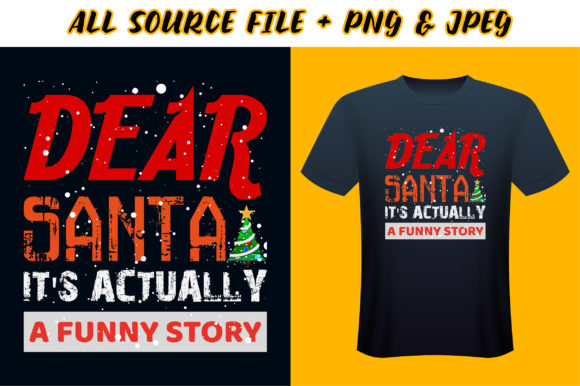
I imagined several scenarios where The Funny Friend would shine. The most obvious candidate is a custom apparel piece. Picture this design stitched onto the chest of a high-quality cotton sweatshirt. The bold lines would stand out against the textured fabric, creating a statement piece that feels professional yet fun. It would also work exceptionally well as an embroidered patch. Patches are trending, and a design with strong outlines and manageable density can be backed with heat-seal adhesive and sold as a standalone handmade product.
Another strong use case is home goods. Imagine this graphic on a set of kitchen towels or a canvas tote bag design. For a holiday embroidery gift, it could be scaled down and placed on a baby onesie, provided the details remain legible at that smaller size. The versatility of the design allows it to cross over from adult novelty items to child-friendly baby embroidery projects, depending on how you style the thread colors and placement.
For those running a craft business, this design serves as a solid foundation for building a cohesive collection. You can pair it with complementary text or background elements to create unique listings. As a digital embroidery file, it offers the flexibility to tweak colors in your software before stitching, allowing you to match specific brand palettes or seasonal themes.
Technical Considerations and Stitching Performance
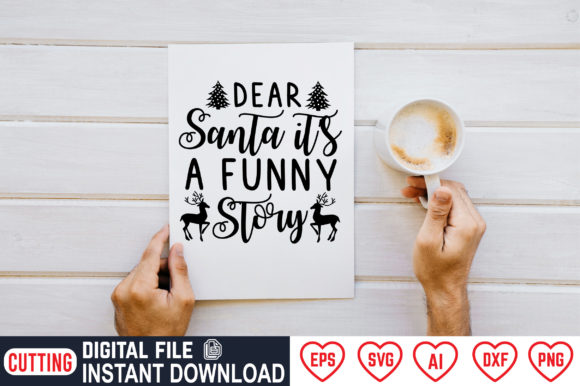
Now, let’s talk about the technical side. The product description states that you receive SVG files, an AI file, and a PNG. It is important to note that these are vector and raster graphics, not native machine embroidery formats like PES or DST. This means you will need to digitize the design yourself or use auto-digitizing software if you do not already have the stitch file. This is a critical distinction for buyers expecting a plug-and-play embroidery file.
If you are digitizing this from the provided SVG, pay close attention to stitch density. Graphic designs often look clean on screen but can become dense and heavy if not optimized for thread. I recommend using a combination of fill stitch for larger areas and satin stitch for borders to keep the texture varied and the weight manageable. Avoid excessive running stitch in large open areas, as it may not provide enough coverage on darker fabrics.
When working with fabrics like stretchy jersey or thin cotton, stabilization is key. Use a cut-away stabilizer for garments that will be washed frequently to prevent distortion. For a cap or curved surface, ensure you adjust the pull compensation in your digitizing software to account for the curvature. Without proper adjustment, the design might pucker or shift during stitching.
Navigating Challenges and Limitations
While The Funny Friend is versatile, there are situations where you should proceed with caution. If you plan to stitch this on a very small hoop size, such as a 4x4 inch hoop, you must check the legibility of any fine details. Tiny elements can get lost or merge together when scaled down. Always run a test stitch on scrap fabric of the same type you intend to use for the final product.
Textured fabrics, like terry cloth or fleece, can swallow up fine details. If you are using this for a personalized gift on a plush blanket, consider increasing the stitch count slightly or using a topping material to keep the stitches sitting on top of the pile. Similarly, on dark fabrics, ensure your thread colors have enough contrast. A quick black-and-white mockup can help you verify that the design remains recognizable without color cues.
For commercial embroidery projects, consistency is vital. If you are producing a batch of items for a small shop product line, make sure your digitizing settings are saved and reusable. This ensures that every item looks identical, building trust with your customers. Inconsistent stitching can hurt your brand reputation, so take the time to refine your settings before starting a large run.
Enhancing Value and Professional Presentation
How does The Funny Friend contribute to the perceived value of your work? A well-executed embroidery project signals quality. When customers see clean edges, no thread tails, and proper alignment, they associate that craftsmanship with your brand. This design, with its friendly vibe, can enhance buyer engagement. It is memorable and shareable, which is essential for social media marketing.
Use the included PNG and SVG files to create high-quality printable mockup images for your online store. Showing the design on a realistic product photo helps customers visualize the finished product. This reduces hesitation and can increase conversion rates. As a design asset, it is a valuable addition to your library, especially if you frequently create items for children, pets, or casual wear.
Final Designer Notes
Before you commit to using The Funny Friend in a client project, here are my final recommendations:
- Check Licensing: Confirm the license terms for commercial use. Since this is a digital download of graphics, ensure you have the right to sell physical items made with the digitized version.
- Test First: Always stitch a sample on your intended fabric. Check for puckering, thread breaks, and color accuracy.
- Optimize Digitizing: If converting from SVG, adjust underlay stitches and pull compensation to suit your machine and fabric type.
- Contrast Matters: Choose thread colors that pop against your fabric. Test on both light and dark backgrounds.
- Stabilize Properly: Match your stabilizer to the fabric weight and stretch. Do not skimp on stabilization for wearable items.
In conclusion, The Funny Friend is a charming and versatile graphic that, with proper digitizing and attention to detail, can elevate your embroidery project portfolio. It is well-suited for makers who want to add a touch of humor and warmth to their creations. By respecting the technical requirements of machine embroidery and understanding your materials, you can turn this digital file into a standout handmade product that customers will love.