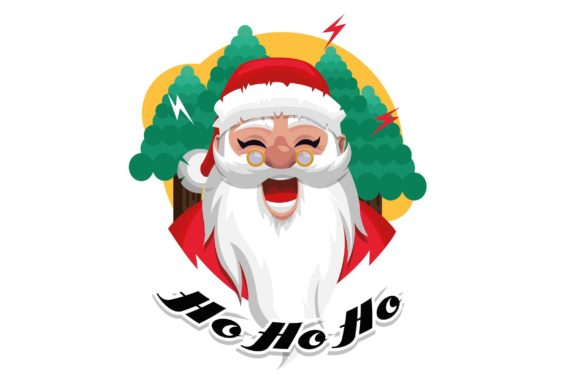
Reviewing Christmas Santa Funny Illustrations for Embroidery
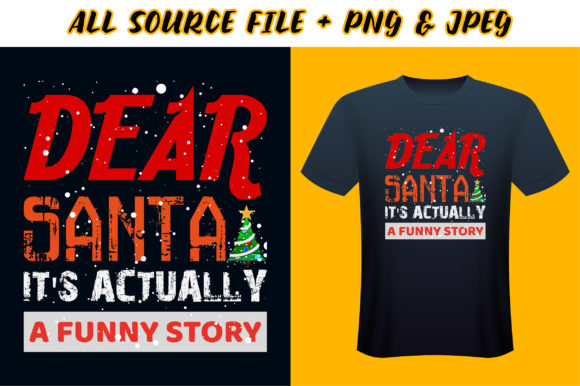
As a designer who spends more time staring at stitch maps than actual fabric, I have learned that not every cute graphic translates well to thread. When I first pulled up the Christmas Santa Funny Illustrations from the T-Shirt AND Illustration Design Store, my initial reaction was curiosity mixed with professional caution. The preview looked charming, but charm does not always equal stitchability. I needed to know if this design would hold up under the needle or if it would turn into a tangled mess of thread breaks and puckering.
The visual personality of these illustrations is distinct. They are not your traditional, stiff Victorian Santa figures. Instead, they carry a playful, modern vibe that fits perfectly into today’s market for handmade gifts and boutique apparel. For embroidery designers and Etsy sellers, this distinction matters. Customers are moving away from generic holiday decor and toward items that feel personal and slightly whimsical. This design category taps directly into that demand, offering a fresh take on holiday embroidery that feels approachable rather than formal.
Real-World Application: The Holiday Sweatshirt Test
To truly evaluate a digital embroidery file, you have to imagine it on a physical product. I visualized this specific Santa illustration on a heavyweight, heather-grey crewneck sweatshirt. This is a staple item for any craft business during the fourth quarter. The goal was to create a custom apparel piece that a customer would want to wear to a family gathering or a friends’ holiday party.
In this scenario, the layout of the illustration is crucial. A design that is too wide will distort across the chest seam, while one that is too tall might get lost in the ribbing. These funny illustrations tend to have a balanced composition, which is a good sign. However, the real test is in the details. Does the Santa’s beard rely on tiny, intricate lines that will vanish into the fleece texture? Or does it use bold shapes that read clearly from a distance? In my assessment, designs like these work best when they prioritize shape over micro-detail. If the illustration relies heavily on fine line work, it may require significant digitizing adjustments before it becomes a viable machine embroidery design.
Stitching Considerations and Fabric Compatibility
When working with any new graphics asset, understanding how it interacts with fabric texture is non-negotiable. For a project like this, I would recommend starting with a stable cotton or a cotton-poly blend. These fabrics provide a solid foundation for both satin stitch borders and fill stitch areas. If you attempt to stitch this on a thin, stretchy jersey without proper stabilization, you risk distortion. The humor in the design can be lost if the Santa figure looks warped or stretched out.
Thread color contrast is another critical factor. Since these are funny illustrations, they likely utilize a vibrant palette. On dark fabrics, such as navy or black hoodies, you must ensure that the digital embroidery file includes enough underlay stitching to prevent the background fabric from showing through the lighter thread colors. A lack of proper underlay can make even the most charming design look amateurish. Always check the stitch density in your software before loading the hoop. High-density areas in the Santa’s coat or hat could lead to thread breaks if the tension is not adjusted correctly.
For smaller applications, such as an embroidered patch or a baby embroidery project on a onesie, scale becomes the enemy. You must verify the hoop size compatibility. If the original illustration is designed for a large tote bag design, shrinking it down to fit a 4x4 inch hoop might cause the details to merge. In such cases, simplifying the design or removing tiny elements like small buttons or facial features might be necessary to maintain clarity.
Commercial Viability for Small Shop Owners
For the Etsy seller or small shop owner, the appeal of Christmas Santa Funny Illustrations lies in its versatility. It is not just limited to apparel. Imagine this design stitched onto a kitchen towel as a hostess gift, or appliqued onto a canvas tote bag for holiday shopping. The commercial embroidery potential is high because the theme is universally recognized yet presented in a unique way. This helps your finished product stand out in a saturated market.
However, professionalism is key. Buyers engage with products that look polished. If the stitch path is inefficient, resulting in long jump stitches or excessive trimming, the back of the garment will look messy. While customers may not see the back, poor stitching technique often leads to puckering on the front, which affects perceived value. Using the right stabilizer is essential here. For hats and curved surfaces, a stiff cut-away stabilizer might be needed to support the weight of the fill stitches, ensuring the Santa figure sits flat and proud.
Practical Designer Notes for Best Results
Before you commit to selling these as part of your craft business inventory, follow these practical steps:
- Test on Scrap Fabric: Never stitch a new design directly on your final product. Use a similar fabric scrap to check for registration issues and thread tension.
- Check Thread Colors: Compare the suggested thread chart against your actual spools. Screen colors often differ from physical thread, especially with metallics or variegated threads.
- Review Stitch Density: Look for areas where stitches overlap excessively. High density can cause fabric stiffness, which is undesirable for wearable custom apparel.
- Verify Licensing: The product description mentions buying digital files for yourself and friends. Before using these graphics for commercial embroidery projects or selling finished items, confirm the license terms. Ensure you have the right to use the design for profit.
- Mockup Testing: Create printable mockups or digital previews on both light and dark backgrounds. This helps you visualize how the design pops against different base colors.
Ultimately, Christmas Santa Funny Illustrations offers a strong starting point for holiday creativity. It bridges the gap between traditional holiday embroidery and modern graphic trends. By paying attention to stitch density, fabric choice, and proper stabilization, you can transform these digital assets into high-quality handmade products. Whether you are creating personalized gifts for family or stocking your small shop with festive merchandise, the key is in the execution. Treat the digital file as a blueprint, not a guarantee, and always let the quality of your stitching speak for your brand.
Remember, the best embroidery projects are those where the technical skill supports the artistic vision. Keep your needles sharp, your tension balanced, and your creative spirit high this holiday season.