Funny Snowman: A Designer’s Take on Holiday Stitching
As an embroidery designer who has spent countless hours digitizing and stitching out holiday motifs, I approach every new machine embroidery design with a mix of curiosity and skepticism. We have all seen the generic, clip-art style snowmen that look charming on a screen but turn into a tangled mess of thread on fabric. When I first encountered the Funny Snowman collection, my immediate question was not just about cuteness, but about viability. Could these graphics translate into high-quality stitched products for my clients? After reviewing the assets and considering their application in real-world crafts, I have formed a clear perspective on where this design shines and where it requires careful handling.
First Impressions and Visual Personality
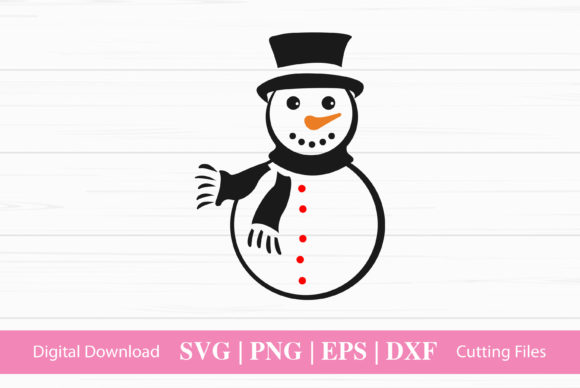
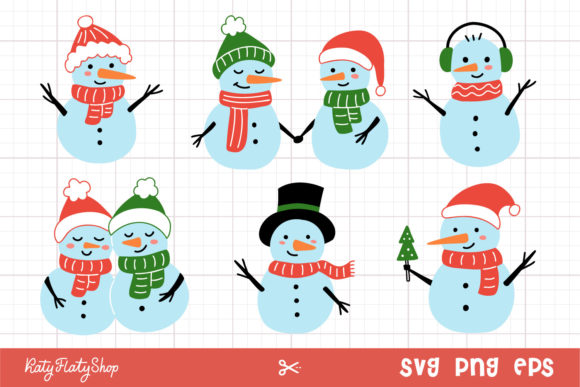
The Funny Snowman set includes six illustrations, each with a distinct personality. What stands out immediately is the playful, slightly whimsical nature of the characters. They are not trying to be photorealistic; instead, they lean into a cute, approachable aesthetic that works exceptionally well for holiday embroidery aimed at families and children. The lines are clean, which is crucial when converting vector graphics into an embroidery file. Clean lines mean fewer stray stitches and better definition, especially when working with smaller hoop sizes.
The mood these designs create is lighthearted and warm. For a handmade product seller, this emotional connection is vital. Customers do not just buy a sweatshirt; they buy the feeling of cozy winter mornings. These snowmen evoke that sentiment without being overly complex or cluttered, making them ideal for personalized gift items where simplicity often reads as more professional than excessive detail.
Real-World Application: The Tote Bag Test
To truly evaluate a design, I imagine it in a specific production scenario. Let us say I am preparing a batch of custom canvas tote bag design prototypes for a local boutique. Canvas is a sturdy fabric, but it has a visible weave. I would select one of the bolder snowman illustrations from the zip file. Because the product description notes these are SVG files intended for printing on white and light surfaces, I know I must adapt them for stitching.
In this context, I would likely use a combination of satin stitch for the outlines and facial features to ensure sharpness, and a lighter fill stitch for the body of the snowman to prevent the fabric from puckering. The result is a crisp, durable image that holds up to the heavy use a tote bag endures. The visual appeal here drives buyer engagement; a well-stitched, funny character makes the bag feel like a unique piece of art rather than mass-produced merchandise. This enhances brand consistency for shops that pride themselves on quality small shop product offerings.
Navigating Fabric and Technical Constraints
While the designs are charming, they are not universally applicable without adjustment. The source files are described as SVG and PNG clipart, which means they are primarily vector graphics for cutting or printing. As an experienced reviewer, I must caution fellow Etsy sellers and craft business owners: you cannot simply import an SVG into your embroidery machine and expect perfect results. You must digitize these vectors or use software to convert them into a proper digital embroidery file.
When adapting these for sweatshirt embroidery, consider the texture. Fleece and terry cloth can swallow small details. If you choose a snowman with tiny accessories, like a small scarf pattern or delicate eyes, you may need to simplify the design further. Increase the stitch density slightly for contrast, but be wary of creating a stiff patch on soft fabric. Always use a appropriate stabilizer; for stretchy fabrics like jersey t-shirts, a cut-away stabilizer is non-negotiable to maintain the shape of the snowman after washing.
Another critical consideration is color contrast. Since these are designed for light surfaces, using white thread on a white snowman against a light gray shirt will vanish. I recommend testing your thread colors against the fabric background. A slight off-white or cream thread can provide just enough definition to make the design pop without losing the snowy aesthetic. For dark fabrics, you might need to add a white underlay or choose a snowman variant with darker accents, such as a black hat or coal buttons, to anchor the design visually.
Commercial Viability and Product Value
For those running a commercial embroidery operation, the value of the Funny Snowman collection lies in its versatility. These six illustrations allow for product variation without needing to source entirely new designs. You can use one for baby embroidery on onesies, another for an embroidered patch on denim jackets, and a third for kitchen towel hems. This variety supports a cohesive holiday collection, which strengthens customer trust and encourages bulk purchases.
However, professionalism is key. Before listing any finished product, inspect the stitched sample closely. Are there jumps threads that need trimming? Is the registration accurate? A sloppy stitch-out can damage your reputation faster than a bad design. Use these graphics as a foundation, but apply your technical expertise to refine the output. Create printable mockup images that show the design on actual garments to help customers visualize the final item. This transparency reduces returns and increases satisfaction.
Practical Notes for the Embroidery Designer
Before you commit to a large production run, follow these practical steps:
- Test on scrap fabric: Always stitch a sample on the exact material you plan to use. Fabric behavior varies wildly between cotton, polyester, and blends.
- Check licensing: The product description mentions SVGs for Cricut and printing. Verify if the license allows for commercial use of the digitized embroidery version. Do not assume that because you bought the graphic, you can sell the stitched item without checking terms.
- Review hoop size compatibility: Ensure the scaled design fits within your machine’s hoop. Smaller hoops may require resizing, which can affect stitch quality.
- Contrast check: View your design in black and white. If the details disappear in grayscale, they will likely get lost in stitching too. Adjust line weights accordingly.
- Wash testing: Stitch a sample, wash it, and dry it. Check for shrinkage or thread breakage. This step is essential for maintaining customer trust in durable goods like aprons and towels.
In conclusion, the Funny Snowman collection offers a solid foundation for festive design assets. It is not a plug-and-play solution for embroidery, but rather a creative springboard for designers willing to put in the technical work. When handled with care, attention to fabric texture, and proper digitizing practices, these cute characters can elevate your custom apparel and holiday gifts from ordinary to exceptional. They bring joy, and in the world of handmade goods, joy is the most valuable commodity we sell.