Snowman Funny Christmas: A Designer's Practical Review
As a professional who has spent years translating digital graphics into tangible stitched products, I approach every new machine embroidery design with a specific set of questions. Does the line work hold up under magnification? Will the stitch density cause puckering on a heavy sweatshirt? Most importantly, does it have that intangible spark that makes a customer stop scrolling and buy? When I first opened the digital files for Snowman Funny Christmas, I wasn't just looking at a holiday clipart; I was evaluating a potential asset for my upcoming winter collection.
The First Impression: Personality Over Perfection
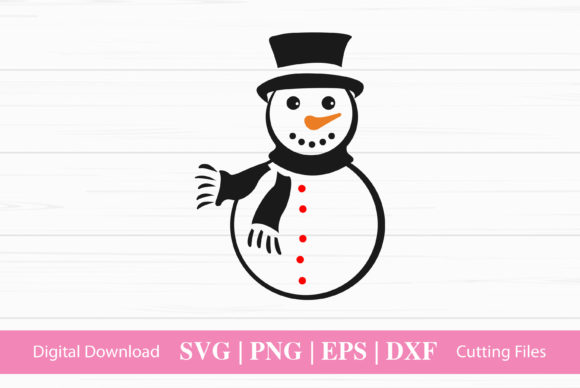
The moment you preview the Snowman Funny Christmas graphic, the mood is immediately established. It isn't trying to be a hyper-realistic, photorealistic snowman. Instead, it leans heavily into character and whimsy. In the world of Graphics intended for crafting, this is often a strength. The exaggerated features and playful pose suggest a design that thrives on personality rather than technical complexity. For an Etsy seller or a small shop owner, this kind of visual language is gold. It screams "gift" without needing a tag to explain it.
From a layout perspective, the design feels balanced. It doesn't rely on tiny, intricate details that would vanish if the stitch count is too low. This is crucial when you are converting a vector file into a digital embroidery file. If the original SVG File or AI File includes clean curves and bold lines, the translation to satin and fill stitches will likely be smooth. However, as a reviewer, I always advise checking the stitch density before committing to a full run. A funny face can look charming in a PNG mockup but chaotic if the fill stitch is too tight for the fabric weight.
Real-World Application: From Hoop to Product
Let’s talk about where this design actually lives. I can already visualize Snowman Funny Christmas stitched onto a heavyweight cream-colored tote bag. The contrast between the white thread (or perhaps a soft blue) and the canvas would make the humorous expression pop. This is a classic use case for custom apparel and tote bag design projects. The scale works well here because the bag provides a large, flat surface, allowing the hoop size to accommodate the full figure without distortion.
I also see strong potential for sweatshirt embroidery. Imagine a family matching set for the holidays. Placing this design on the left chest of a dark grey hoodie would create a striking focal point. Because the design appears to have a distinct outline, using a running stitch or a narrow satin stitch for the borders could add definition against the textured fleece. For parents looking for baby embroidery items, this design fits perfectly on onesies or receiving blankets, provided the stabilizer is chosen correctly to prevent pulling on the delicate knit.
For those running a craft business, consider the embroidered patch application. Cutting the design out after stitching allows you to sell them as iron-on patches. This opens up a revenue stream for small shop product lines where customers want to customize their own denim jackets or backpacks. The holiday embroidery theme ensures high demand during Q4, making it a smart addition to your inventory of design assets.
Navigating Fabric and Technical Challenges
While Snowman Funny Christmas looks promising, every designer knows that the devil is in the details. You must be cautious with textured fabrics. If you attempt this on a thick cable-knit sweater or a nubby linen pillow cover, the thread colors might get lost in the weave. The humor of the design relies on clarity; if the stitches sink into the fabric texture, the expression becomes muddy.
Similarly, working on curved surfaces like caps requires careful planning. If the snowman has wide arms or a tall hat, mapping that geometry onto a curved cap panel can lead to significant distortion. You may need to resize the embroidery file significantly smaller, which risks losing the very details that make it funny. Always test the design on scrap fabric first. Stitch out a sample on the exact material you intend to use, check the stitch density, and ensure the stabilizer is sufficient to support the weight of the thread.
Another consideration is the background color. While the design likely works beautifully on light fabrics, placing it on dark fabric requires a different strategy. You will need a solid backing layer of fill stitch behind the snowman to ensure the colors remain vibrant. Without this base, the black or navy thread of the garment will show through, dulling the effect. Always compare light and dark fabric backgrounds in your printable mockup stage to manage client expectations.
Maximizing Value and Professionalism
Using a high-quality machine embroidery design like this one directly impacts your brand's perception. When a customer receives a personalized gift or a finished product from your shop, they judge the quality by the stitch finish. Clean edges, no bird nesting, and proper tension signal professionalism. Snowman Funny Christmas offers a chance to deliver exactly that, provided you take the time to prepare the digital embroidery file correctly.
For commercial embroidery projects, consistency is key. If you are producing a batch of twenty aprons or kitchen towels, you need to know that the design will stitch identically every time. This means verifying that the Digital Download includes all necessary formats. The inclusion of DXF File, EPS File, and PNG File options gives you flexibility across different software and cutting machines, but remember that these are vector and raster files, not necessarily ready-to-stitch formats unless converted by your embroidery software.
Final Thoughts for the Creative Entrepreneur
In conclusion, Snowman Funny Christmas is a versatile asset for anyone in the Crafts space. It brings a needed dose of joy and humor to the holiday season, fitting seamlessly into handmade product lines ranging from nursery decor to boutique branding. However, its success depends entirely on your execution. Do not skip the test stitch. Verify the licensing terms before selling finished items, ensuring you have the right to use the Graphics for commercial gain.
Whether you are a hobbyist creating gifts for friends or a seasoned decorator fulfilling large orders, this design has the potential to elevate your work. By paying attention to fabric texture, choosing the right stabilizer, and respecting the limitations of your hoop size, you can turn a simple digital download into a cherished physical item. In the competitive world of handmade goods, it is often the designs that balance fun with technical reliability that win over the most customers.