Candy Cane Funny Christmas Embroidery Review
As a designer who has spent years navigating the intersection of digital graphics and tangible textile art, I approach every new machine embroidery design with a critical eye. The holiday season is a make-or-break period for many craft businesses, and selecting the right asset can define your entire collection. Today, I am evaluating the Candy Cane Funny Christmas graphic to see if it holds up under the scrutiny of real-world production. This isn't just about downloading a file; it is about understanding how this specific visual translates from a screen into a stitched masterpiece that customers will actually want to buy.
First Impressions: Visual Personality and Mood
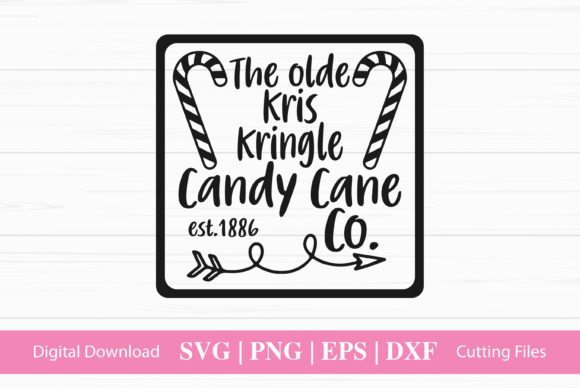
When you first open the preview for Candy Cane Funny Christmas, the immediate reaction is one of lighthearted nostalgia. It captures that specific, slightly chaotic energy of the holidays without feeling cluttered. In the world of Graphics intended for textiles, clarity is king. Many holiday designs suffer from being too busy, losing definition when converted to thread. However, this design maintains a strong silhouette. The "funny" aspect suggests a playful twist on the traditional candy cane motif, likely involving exaggerated curves or a whimsical expression.
From a layout perspective, the composition feels balanced enough to work as a standalone focal point. For an Etsy seller or a boutique owner, this kind of visual personality is crucial. It screams "giftable." It doesn't look like a generic clip-art afterthought; it looks like a deliberate piece of character-driven art. The lines appear clean, which is a positive indicator for how well the stitch density might be managed during digitization. If the original vector lines are crisp, the resulting fill stitch areas should be smooth, avoiding the dreaded puckering that plagues poorly designed assets.
The Real-World Test: A Custom Sweatshirt Scenario
To truly understand the utility of Candy Cane Funny Christmas, let's imagine a specific project. Picture yourself preparing a batch of custom hoodies for a local winter market. You have chosen a heavy-weight, heather grey fleece—a fabric that demands a robust design to stand out. You decide to place this design on the upper left chest area. Why? Because the scale of the graphic seems perfect for a small-to-medium hoop size, offering a subtle nod to the season rather than an overwhelming billboard across the back.
In this scenario, the design's potential shines. On a dark or medium-toned fabric like grey fleece, the contrast provided by traditional red and white thread colors would pop beautifully. The playful nature of the design makes it suitable for a wide demographic, from young adults looking for festive streetwear to parents wanting a fun look for their family matching set. If you were to use this for sweatshirt embroidery, the key would be ensuring the stabilizer is adequate to support the weight of the stitches without distorting the knit fabric. The design's simplicity suggests it won't require excessive backing, but a cutaway stabilizer would ensure longevity through washes.
Alternatively, consider a tote bag design. Canvas is a forgiving material, and a larger version of Candy Cane Funny Christmas centered on a natural cotton tote would create a charming reusable holiday shopping bag. The durability of the design means it could withstand the friction of carrying groceries or books, making it a practical handmade product that adds value beyond just aesthetics.
Navigating Challenges: Where Caution is Needed
While the design is promising, experienced designers know that no embroidery file is universally perfect. There are specific situations where Candy Cane Funny Christmas requires careful handling. First, consider the fabric texture. If you attempt to stitch this onto a highly textured fabric like a chunky cable-knit sweater or a thick towel, the intricate details of the "funny" elements might get lost in the weave. The needle may struggle to pierce consistently, leading to skipped stitches or uneven tension.
Secondly, pay close attention to small details. If the design includes tiny text or fine lines within the candy cane pattern, these are high-risk areas. On stretchy fabrics like jersey or spandex blends, even slight distortion during hooping can warp these delicate features. Always test the design on scrap fabric first. Run a test stitch to check the running stitch outlines and ensure they hold their shape before committing to expensive materials.
Another consideration is the background color. While the design likely works well on light and neutral tones, using it on a very dark fabric requires a thoughtful approach to thread selection. You may need to adjust the thread colors to ensure visibility. Sometimes, adding a block of fill underneath the main design (a technique often used in applique design) can help the colors stand out, but this increases stitch count and time. Always compare light and dark fabric backgrounds in your mockups before finalizing your production run.
Practical Notes for Designers and Business Owners
For those running a craft business or selling personalized gifts, the versatility of the included files is a significant advantage. The package typically offers SVG, PNG, AI, EPS, and DXF formats. As a designer, I appreciate having the AI and EPS files because they allow for last-minute tweaks. Perhaps you need to resize the design for a baby onesie versus a large pillow cover. Having the editable vector source means you aren't stuck with a fixed size. You can adjust the scale to fit your specific hoop size constraints without losing quality.
However, a word of caution regarding licensing: always confirm whether the digital download allows for commercial use. If you plan to sell finished items like custom apparel or embroidered patches, you must ensure your license covers this. Some licenses restrict the number of items you can sell or prohibit reselling the digital file itself. Never assume; read the terms carefully to protect your small shop product line from legal issues.
When preparing your machine, review the stitch density settings. Even a well-digitized design can benefit from minor adjustments based on your specific machine and thread type. Thicker threads may require more space between stitches to prevent bunching. Additionally, always inspect small details on your test run. Look for any gaps in the fill stitch or loose ends that could unravel over time. A professional finish builds customer trust and enhances the perceived value of your finished product.
Final Verdict: A Valuable Asset for Holiday Collections
Ultimately, Candy Cane Funny Christmas presents itself as a solid addition to a holiday collection. It strikes a balance between whimsy and professionalism, making it suitable for everything from baby embroidery projects to adult holiday embroidery wear. Its adaptability across different file formats ensures that whether you are working with laser cutters for vinyl or standard embroidery machines, you have the flexibility to execute your vision.
For the creative entrepreneur, this design offers a low-risk entry point into creating festive merchandise. It is recognizable, cheerful, and versatile enough to fit into various product lines, from kitchen towels to caps. By taking the time to test the design on your specific materials and understanding its limitations on textured or stretchy fabrics, you can maximize its potential. In the competitive world of handmade goods, choosing a design that looks good on screen and performs well under the needle is half the battle. With Candy Cane Funny Christmas, you have a reliable tool to elevate your brand and delight your customers this season.