World's Best Mimi: A Designer's Embroidery Review
As a designer who has spent years navigating the intersection of digital art and physical stitching, I approach every new asset with a critical eye. The market is flooded with generic typography, but finding a piece that balances sentimentality with technical viability is rare. Recently, I evaluated the World s Best Mimi, Funny Mimi Design, a vintage-inspired typography piece marketed within the Crafts and Graphics categories. My goal was to determine if this specific design holds up under the scrutiny of a real-world embroidery project or if it falls apart when translated from a screen to a hoop.
First Impressions: Vintage Charm Meets Modern Needs
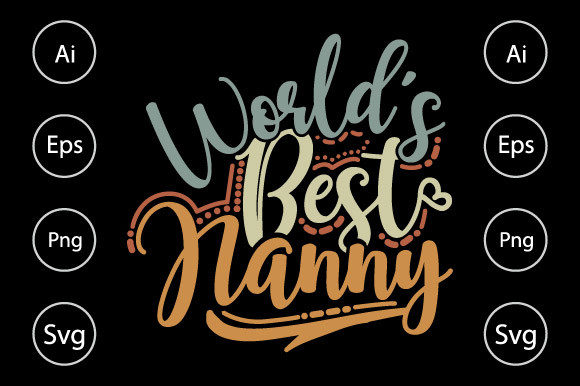
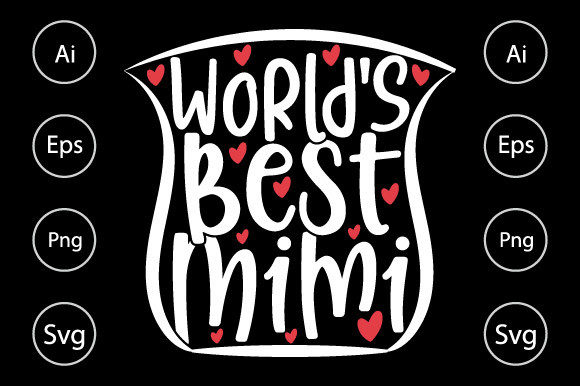
The initial visual impact of the World s Best Mimi, Funny Mimi Design is undeniably warm. It leans heavily into a retro aesthetic, utilizing playful lettering that feels both nostalgic and timeless. For an Etsy seller or a boutique owner looking to create personalized gifts, the "Mimi" theme taps directly into a high-demand emotional niche. Grandmothers are often overlooked in modern apparel trends, yet they remain one of the most dedicated buyers of handmade products. This design immediately signals that it belongs on a cozy sweatshirt, a durable tote bag, or a cherished nursery item.
However, as a professional reviewer, my excitement quickly shifted to analysis. The layout features bold curves and intricate details typical of vintage typography. While visually appealing in a PNG preview, these elements raise immediate questions about stitch density and thread consumption. Does the World s Best Mimi, Funny Mimi Design translate cleanly into a machine embroidery file, or will it require significant digitization adjustments to prevent puckering?
Real-World Application: From Digital File to Finished Product
To truly test the utility of this asset, I imagined a specific scenario: preparing a custom embroidered tote bag for a local craft fair. Tote bags are a staple for small business owners because they offer a large canvas and serve as walking advertisements. In this context, the World s Best Mimi, Funny Mimi Design shines. The vintage style complements the natural texture of canvas fabric, creating a cohesive look that feels artisanal rather than mass-produced.
When considering the machine embroidery design process, the versatility of the included files becomes apparent. With access to AI Illustrator files, Eps 10, and SVG formats, a designer has the freedom to resize and manipulate the artwork before digitizing. This is crucial for commercial embroidery projects where consistency across different product lines is key. Whether you are producing a batch of baby onesies or a line of aprons for a kitchenware shop, the ability to scale the design without losing clarity is a massive advantage.
For those focusing on custom apparel, such as sweatshirts or hoodies, the design offers a focal point that commands attention. The "Funny Mimi" aspect adds a touch of humor that resonates well with younger generations buying gifts for their elders. However, the success of the finished product relies heavily on how the design interacts with the fabric. On a thick fleece sweatshirt, the fill stitch areas need to be robust enough to stand out against the pile of the fabric. Conversely, on a delicate tea towel, the same design might require a lighter hand to avoid overwhelming the weave.
Technical Considerations for the Professional Maker
Before committing to production, there are several technical hurdles to address. The World s Best Mimi, Funny Mimi Design contains detailed lettering which can be tricky on textured fabrics. If you plan to use this on a knit jersey or a stretchy material, you must ensure the stitch density is not too high. Excessive density can cause the fabric to pucker, ruining the drape of the garment. Always test the design on scrap fabric first. This simple step can save hours of frustration and wasted thread.
Another critical factor is the choice of stabilizer. For a design with this much textural detail, a cut-away stabilizer is often necessary to support the weight of the stitches, especially on dark fabrics where contrast is essential. When working with dark backgrounds, the thread colors selected for the World s Best Mimi, Funny Mimi Design must have high opacity to prevent the background from showing through the satin stitch or fill stitch areas.
Furthermore, consider the hoop size. While the source files are high resolution (4500 x 5400 pixels), the actual stitched area depends on your digitization settings. If you attempt to fit this design into a small 4x4 inch hoop for a cap or a patch, the lettering may become illegible. Tiny details in the vintage font could merge together, resulting in a muddy appearance. For best results, reserve this design for larger hoops or simplify the elements if scaling down is absolutely necessary.
Navigating Commercial Use and Licensing
For the creative entrepreneur running a craft business, understanding the licensing of your digital product assets is non-negotiable. The product description mentions a Zip File including various vector formats, which suggests flexibility for modification. However, you must confirm whether the license allows for selling the finished embroidered patch or handmade product without restriction. Many designers purchase graphics only to discover they cannot sell items made from them commercially.
If you are an Etsy seller, using the World s Best Mimi, Funny Mimi Design on a consistent basis can help build brand recognition. Customers appreciate shops that have a distinct style, and this vintage typography fits perfectly into a curated collection of family-centric goods. Just remember that while the design is versatile, overusing it can dilute its specialness. Use it strategically for holiday embroidery collections, Mother's Day specials, or personalized gift bundles where the sentiment carries the most weight.
Final Verdict: A Versatile Asset with Caveats
In conclusion, the World s Best Mimi, Funny Mimi Design is a strong contender for any embroidery portfolio focused on sentimental and humorous themes. Its vintage appeal makes it a standout choice for personalized gifts and small shop products. The inclusion of multiple file formats like SVG, EPS, and PNG ensures that you have the tools needed to adapt the design for various applications, from baby embroidery to adult apparel.
However, its success is contingent on proper execution. Do not rush the digitization process. Pay close attention to stitch density, choose the right stabilizer, and always verify the licensing terms before launching a commercial line. If you treat this design with the respect it deserves—testing it thoroughly and applying it to suitable fabrics—it has the potential to become a best-seller in your catalog. For the discerning maker who values quality and emotional connection, this design is worth adding to your library, provided you navigate the technical nuances with care.