Vector Drum Stick Skeleton Design Funny Review
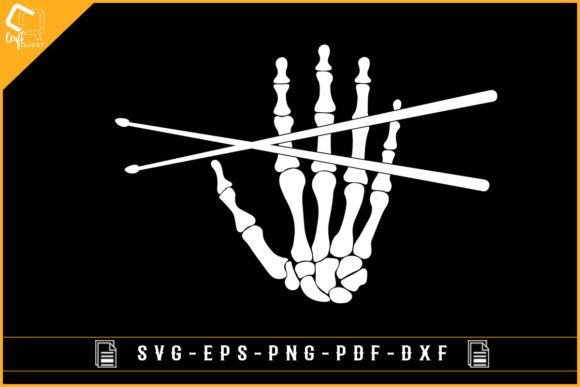
As a designer who has spent years translating digital graphics into tangible stitched goods, I approach every new asset with a critical eye. When I first opened the Vector Drum Stick Skeleton Design Funny, my immediate reaction was a mix of amusement and practical assessment. This isn't just another generic skull; it is a specific character study of a drummer skeleton, complete with drumsticks in hand. The visual personality is bold, slightly edgy, yet undeniably playful. It screams "rock and roll" but with a Halloween-friendly twist that makes it versatile for seasonal sales or year-round music-themed merchandise.
In the world of Crafts and Graphics, finding a design that balances humor with technical feasibility is rare. This piece offers a distinct mood. It feels energetic and rebellious, perfect for the niche market of drummers, rock fans, or anyone looking to add a touch of macabre fun to their wardrobe. However, before I commit this to a client project or my own small shop inventory, I need to evaluate how it translates from a screen file to a physical finished product.
Visual Impact and First Impressions
The layout of the Vector Drum Stick Skeleton Design Funny is striking. The central focus is the skull, which serves as the anchor, while the crossed drumsticks add dynamic lines that break up the negative space. For an embroidery project, this composition is promising because the shapes are relatively defined. Unlike some overly intricate line art that gets lost in thread, the bold outlines here suggest good visibility even at smaller scales.
When I visualize this on a custom apparel item, such as a black denim jacket or a heavy cotton sweatshirt, the contrast potential is high. The skeletal theme naturally lends itself to white or metallic silver thread, creating a stark, professional look against dark fabrics. However, if you plan to use this on lighter materials like a cream-colored tote bag, you will need to carefully select thread colors to ensure the details don't disappear. A deep charcoal or navy blue could work wonders here, maintaining the moody aesthetic without requiring a dense underlay that might pucker thin fabric.
Real-World Application: The Custom Sweatshirt Scenario
Let's talk about a real-life scenario. Imagine I am preparing a limited run of sweatshirt embroidery for a local music festival. The goal is to create a premium, handmade feel that stands out from mass-produced heat transfers. I decide to test the Vector Drum Stick Skeleton Design Funny on a heather grey hoodie. The texture of the heather grey fabric is key here; it provides enough tooth for the needle to grip, but it can sometimes mute fine details.
As I mentally stitch through the design, I consider the stitch density. The rib cage area of the skeleton is likely to be filled with a satin stitch or a tight fill stitch. If the density is too high, the fabric might pucker, ruining the drape of the sweatshirt. Conversely, if the density is too low, the white thread might show the grey fabric underneath, making the design look muddy. This is why testing on scrap fabric is non-negotiable. I would hoop a swatch of the actual sweatshirt material, apply a tear-away or cut-away stabilizer, and run a test stitch to check the tension and clarity.
Another consideration is the placement. On a sweatshirt, centering this design on the chest works well for a statement piece. Alternatively, placing it on the sleeve creates a subtle nod to the wearer's passion. The curved surface of the sleeve requires careful attention to the hoop size. If the design is too large for the available hoop space on a sleeve, you risk distorting the image. Since the product description notes that mockups are not included, you must visualize the scale yourself. Ensure the final dimensions fit comfortably within your machine's workspace without stretching the fabric.
Navigating Challenges: Fabric and Detail
While the Vector Drum Stick Skeleton Design Funny looks great on paper, certain applications require caution. Thin fabrics, such as those used for baby clothing or lightweight tea towels, are risky for this type of design. The weight of the thread and the density of the stitches could cause puckering or even tear the fabric. If you are determined to use this on a delicate item, you would need to switch to a very fine thread and significantly reduce the stitch count, though this might compromise the definition of the skull's features.
Stretchy fabrics present another challenge. On a fitted t-shirt or a jersey knit, the constant stretching and relaxing of the fibers can distort the embroidery over time. The rigid nature of the stitches in the drumsticks and skull might pull away from the fabric, leading to premature wear. In these cases, using a flexible stabilizer or opting for a woven patch application instead of direct stitching might yield better longevity.
Furthermore, detailed corners and tiny lettering—if any text is added to the design—can be problematic. If the original vector includes small words like "Drumming Forever" or similar slogans, they may become illegible once stitched. As an experienced reviewer, I advise checking the smallest elements in the file. If they are too fine, simplify them or remove them entirely to maintain a clean, professional look. Remember, less is often more in machine embroidery design.
Practical Designer Notes for Success
To ensure your project succeeds, follow these practical steps when working with this design:
- Test on Scrap Fabric: Never skip this step. Stitch the design on a scrap piece of your intended fabric to check for puckering, thread breaks, and color contrast.
- Check Thread Color Contrast: Ensure the thread stands out against the background. White on black is classic, but experiment with other palettes for unique results.
- Review Stitch Density: Adjust the density settings in your software if necessary. Too dense causes puckering; too sparse shows the fabric.
- Confirm Hoop Size: Measure your design against your hoop. If it's too big, resize it proportionally to avoid distortion.
- Inspect Small Details: Zoom in on the vector file. Are the eyes of the skull clear? Do the drumsticks have enough thickness to hold the stitch?
- Use Proper Stabilizer: Choose a stabilizer that matches your fabric weight. Heavy fabrics need cut-away; light fabrics might need tear-away or water-soluble options.
- Check Licensing: Before selling finished items or digital products, confirm the license terms. Does the purchase allow for commercial use? Can you sell the digital file itself?
Commercial Viability and Brand Consistency
For Etsy sellers and owners of small shop products, this design offers significant potential. The "drummer skeleton" theme taps into a passionate community of musicians who love personalized gear. An embroidered patch featuring this design could be a bestseller, especially if marketed as a durable accessory for instrument bags or denim jackets. The visual appeal is strong, and the uniqueness of the character helps build brand recognition.
However, consistency is key. If your brand focuses on soft, pastel nursery decor, this design might clash unless you are specifically targeting a "spooky cute" holiday collection. For holiday embroidery around October, it fits perfectly. But for year-round sales, ensure it aligns with your overall aesthetic. Customers trust brands that deliver consistent quality and style. A poorly executed version of this design could damage that trust.
Additionally, consider the value proposition. Hand-stitched items command higher prices than printed ones. By offering this design as a high-quality handmade product, you elevate its perceived value. The tactile nature of the embroidery adds a layer of craftsmanship that digital prints cannot match. Just ensure your pricing reflects the time and skill required to produce it.
Final Thoughts on Vector Drum Stick Skeleton Design Funny
The Vector Drum Stick Skeleton Design Funny is a compelling asset for designers willing to put in the technical work. It captures a fun, edgy spirit that resonates with music lovers and craft enthusiasts alike. While it presents challenges regarding fabric choice and stitch density, these are manageable with proper preparation and testing.
Whether you are creating a one-off personalized gift for a drummer friend or scaling up for a commercial embroidery line, this design has the potential to shine. Just remember to respect the limitations of your materials and machines. Take the time to test, adjust, and refine. With the right execution, this skeleton drummer will become a standout piece in your portfolio, proving that even the spookiest designs can bring joy and creativity to your craft business.