Plant Lady SVG I Was Normal 3 Plants Ago Review
As a designer who has spent years navigating the fine line between digital art and physical stitching, I approach every new machine embroidery design with a critical eye. The market is flooded with generic clipart, but occasionally, a piece of Graphics arrives that actually understands the medium. That is exactly what happened when I opened the files for Plant Lady SVG I Was Normal 3 Plants Ago. This isn't just another cute illustration; it is a character-driven piece that demands specific handling to translate from a screen to a finished product.
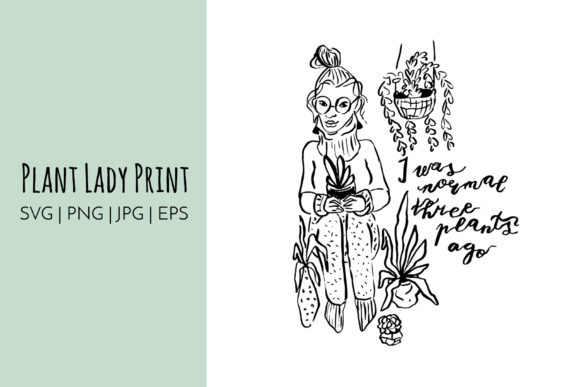
The first thing you notice is the mood. The description promises a "funny hipster female character surrounded by potted house plants," and the hand-drawn, sketchy line drawing delivers on that promise immediately. It feels organic, slightly imperfect in a charming way, and perfectly aligned with current trends in the crafts community. However, translating this "black ink" aesthetic into thread requires more than just hitting the start button. Let's break down how this design performs in real-world scenarios, from my studio bench to your Etsy shop.
First Impressions: Sketchy Lines vs. Stitch Reality
When I first viewed Plant Lady SVG I Was Normal 3 Plants Ago, I was drawn to the personality of the character. The hand lettering of "I was normal three plants ago" adds a layer of humor that resonates with plant enthusiasts and home decor lovers alike. But as an embroidery professional, my brain immediately started calculating stitch density and needle paths. The sketchy nature of the lines suggests a running stitch or a very narrow satin stitch application. If you try to force a heavy fill stitch into these delicate lines, you will lose the charm of the original art.
This design shines when treated as a high-contrast statement. The black ink style works beautifully against light fabrics like cream cotton or oatmeal-colored linen, but it also has potential for dark backgrounds if you switch to white or metallic threads. The key is maintaining the integrity of those hand-drawn edges. In a digital embroidery file, jagged digitization can ruin the "sketchy" vibe, making it look pixelated rather than artistic. You need to ensure the file quality supports smooth curves around the pots and the character's features.
A Real-Life Scenario: The Custom Tote Bag Project
To truly test the viability of Plant Lady SVG I Was Normal 3 Plants Ago, I visualized a specific project: a custom embroidered tote bag for a local boutique client. Tote bags are a staple for small business owners, but they present challenges due to their fabric texture and frequent movement. I imagined placing this design on a sturdy canvas tote, centered on the front panel.
In this scenario, the design becomes a conversation starter. A customer walking into a coffee shop with this tote bag design would instantly signal their identity as a plant lover. The humor in the text engages people, while the detailed surrounding plants add visual interest. However, the execution matters. Because tote bags often have a textured weave, using a heavy stabilizer is non-negotiable. Without it, the sketchy lines might sink into the fabric pores, losing definition. I would recommend a cutaway stabilizer here to keep the stitches crisp and prevent puckering, especially around the dense areas where the leaves overlap.
If I were selling this as a personalized gift at a craft fair, the immediate reaction would be positive. The design feels handmade and authentic, which aligns perfectly with the values of the target audience. It elevates a simple canvas bag into a premium, branded item that justifies a higher price point. The visual appeal is strong enough to stop a scroll on social media, making it an excellent asset for Etsy sellers looking to boost engagement.
Navigating Challenges: Where Caution is Needed
While Plant Lady SVG I Was Normal 3 Plants Ago is versatile, it is not without its limitations. As a reviewer, I must highlight where this design could struggle. The "hand lettering" mentioned in the description contains smaller text elements. In embroidery, tiny text is the enemy of clarity. If you attempt to use this design in a small hoop size, such as a 4x4 inch frame, the letters may become illegible blobs of thread. For best results, this design belongs in a larger hoop, perhaps 6x10 or 8x8 inches, to allow the details to breathe.
Furthermore, consider the fabric choice. While it looks great on canvas, placing this intricate design on thin, stretchy fabrics like jersey knit for a t-shirt requires extreme caution. The stretch can distort the character's proportions, and the sheer number of stitches might cause the fabric to pucker significantly. If you are creating custom apparel like sweatshirts, the fleece texture can sometimes swallow the finer details of the sketchy lines. In these cases, a water-soluble topping might be necessary to keep the stitches from sinking into the nap of the fabric.
Another area to watch is the color palette. The design is described as "black ink," which implies a monochromatic approach. While elegant, relying solely on black thread on dark fabric will result in invisibility. You must plan your thread colors carefully. Using a contrasting color for the outline or the text can save the design on darker materials. Also, remember that fill stitch areas in the leaves should be kept loose to mimic the hand-drawn feel; over-densifying them will make the plant look like a solid block rather than a sketch.
Practical Notes for Designers and Makers
Before committing to production, there are several practical steps you should take. First, always test the design on scrap fabric that matches your final product. Check the stitch density and ensure the character's face and the plant pots remain distinct. Inspect the small details closely; if the eyes or the text look muddy, adjust the settings or choose a different font size if possible.
For commercial embroidery projects, verify the licensing terms of the embroidery file. Many designers restrict the sale of finished goods or require attribution. Ensure you have the right to sell items featuring Plant Lady SVG I Was Normal 3 Plants Ago before listing them in your shop. Additionally, create printable mockups to show customers exactly how the design will look on different products. This builds trust and reduces returns caused by mismatched expectations.
Finally, think about the longevity of the finished product. Items like kitchen towels or aprons undergo frequent washing. The running stitch used for the sketchy lines might loosen over time if not secured properly. Reinforce the back of the design with a tear-away stabilizer during the wash process to maintain its shape. By paying attention to these details, you ensure that the design remains a high-quality representation of your brand.
Final Verdict: A Character Worth Stitching
Plant Lady SVG I Was Normal 3 Plants Ago is a standout piece for those who appreciate personality in their design assets. It moves beyond generic patterns to offer a narrative through the character and text. Whether you are a hobbyist making a holiday gift for a friend or a small shop owner expanding your inventory, this design offers significant value. It captures the essence of modern, quirky aesthetics while remaining practical for various applications.
Just remember to respect the intricacies of the sketchy style. Give it the space it needs in the hoop, choose your fabrics wisely, and don't skimp on stabilization. When executed correctly, this design transforms simple textiles into memorable, shareable moments. It is a testament to how good Graphics can elevate the entire embroidery project, turning a standard stitch-out into a piece of wearable art that customers will love.