No It's Not a Camera: A Surveyor Design Review
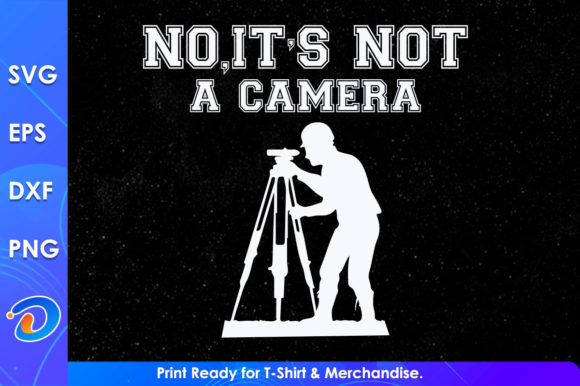
As someone who has spent years navigating the intersection of digital graphics and physical stitching, I approach every new machine embroidery design with a critical eye. The market is flooded with generic patterns, but occasionally, a concept arrives that speaks directly to a specific niche with genuine humor and clarity. That is exactly my first impression of No It s Not a Camera Funny Surveyor. This isn't just another random text graphic; it is a targeted piece of Graphics designed to resonate with professionals in the field of land surveying, construction, and civil engineering.
When I first opened the digital file for this project, the layout immediately suggested a clean, bold aesthetic. The phrase "No It s Not a Camera" relies on a visual punchline that surveyors encounter daily—the mistaken identity between their high-tech equipment and consumer photography gear. For an embroidery project, this kind of self-deprecating humor translates incredibly well into wearable art. It creates an instant connection between the wearer and anyone else in the industry who understands the joke.
Evaluating the Design for Real-World Apparel
Before committing to a client order or stocking a small shop product, I always visualize how the design sits on different garments. In my mind, No It s Not a Camera Funny Surveyor feels perfectly suited for heavy-duty workwear. Imagine a rugged canvas tote bag or a durable cotton sweatshirt. The text-heavy nature of the design suggests it would benefit from a combination of satin stitch for the lettering edges and a tight fill stitch for any graphical elements, ensuring the message pops against the fabric texture.
I recently considered using this digital embroidery file for a batch of custom aprons intended as holiday gifts for a local engineering firm. The design's straightforward layout makes it ideal for placement on the chest pocket area of a work shirt or centered on the front of a hoodie. Because the concept is so specific, it avoids the clutter often found in generic novelty designs. When I mentally mapped out the stitch density, I noted that the lettering needs to be substantial enough to remain legible after repeated washing, which is crucial for workwear that sees daily use.
Practical Considerations for Stitching and Fabric
While the concept is strong, the execution depends heavily on your technical setup. As with any embroidery file, you must verify the hoop size requirements before starting. If the design includes a wide horizontal span, attempting to fit it into a small 4x4 hoop could distort the proportions or require awkward pivoting that ruins the alignment. Always test the design on scrap fabric first. This step is non-negotiable for professional results.
One area where caution is required is the choice of background material. If you plan to embroider this on dark fabrics like navy blue or charcoal grey, you will need to ensure the thread colors offer sufficient contrast. Light yellow or bright white thread works best here, but remember that dark fabrics often require a cutaway stabilizer to prevent the stitches from sinking into the weave. Conversely, if you are working with thin or stretchy fabrics, such as performance tees, a tear-away stabilizer might not provide enough support, leading to puckering around the dense text areas.
The design also presents a challenge when applied to curved surfaces like baseball caps. The phrase "No It s Not a Camera" is likely arranged in a way that demands a flat surface for optimal readability. On a cap, the curve can warp the letters, making them difficult to read at a glance. Unless the digitizer has specifically accounted for cap curvature, I would recommend reserving this design for flat panels like tote bags, pillow covers, or the front of a t-shirt.
Maximizing Value for Craft Business Owners
For the Etsy seller or craft business owner looking to expand their inventory, No It s Not a Camera Funny Surveyor offers a unique opportunity to target a passionate demographic. Professionals in this field love gear that identifies them as insiders. By offering this as a personalized gift or a ready-made item, you tap into a market that values specificity over generic trends.
However, success in selling these items hinges on presentation. Before listing the finished product, create a high-quality printable mockup that shows the design on various items. Show it on a coffee mug, a patch, and a hat. This helps potential buyers visualize the finished product in their own lives. Additionally, consider creating an embroidered patch version of the design. Patches are versatile; they can be sewn onto backpacks, jackets, or hats, allowing customers to customize their own gear without needing a full garment.
It is also vital to review the licensing terms included with your download. Since this is listed as a digital product for cutting machines and embroidery, you need to confirm whether the license allows for commercial use of the finished goods. Many designers sell the files for personal use only, while others grant a limited commercial license for handmade items. Never assume; check the documentation to avoid legal issues down the line. If you are planning to sell the design itself as a digital asset, you will almost certainly need explicit permission from the original creator.
Final Thoughts on Design Execution
In conclusion, No It s Not a Camera Funny Surveyor is a standout piece within the Crafts category because it balances humor with professional pride. It is not just a graphic; it is a conversation starter. For the experienced designer, the key lies in respecting the details: choosing the right fabric texture, managing the stitch density to prevent bulk, and selecting the appropriate stabilizer for the garment type.
If you are preparing this for a custom apparel order, take the time to run a test stitch-out. Check the underlay, adjust the pull compensation, and ensure the running stitch borders are secure. These small adjustments make the difference between a hobbyist look and a professional finish. Whether you are making a baby embroidery item for a surveyor's child or a tough work shirt for a seasoned pro, this design has the potential to become a staple in your portfolio. Just remember to let the quality of your stitching do the talking, proving once again that your work is definitely not just a camera snapshot—it is craftsmanship.